
Hints & Tips
How Skipping On Surface Protection Derails Timelines
November 13, 2025
When it comes to tight timelines on the jobsite, surface damage is the silent killer. Every project manager knows that unforeseen delays can cost time, money, and client satisfaction, and a lack of temporary surface protection can only exacerbate this. Skipping on proper surface protection may seem like a minor oversight, but it can create a cascade of delays that spiral out of control. From unexpected damages that require costly repairs to the lengthy rework processes, neglecting surface care can derail your entire project timeline.
Today, we explore how this crucial step can make or break your timelines, showcasing real-world examples and preventative strategies. Discover why prioritizing surface protection is essential for maintaining efficiency and ensure project timeliness and success. Don’t let minor missteps become monumental setbacks; let’s dive into the often-underestimated importance of safeguarding your surfaces.
The Importance Of Temporary Surface Protection In Project Management

Temporary surface protection is vital to effective project management. It serves as a preventative measure that safeguards surface throughout the construction or renovation process, ensuring the final product meets the highest standards of quality. By investing high-quality surface protection, project managers can avoid the pitfalls associated with surface damage, thus maintaining project timelines. This proactive approach helps to mitigate risks, reducing the likelihood of delays and ensuring that the project moves smoothly from groundbreaking to turnover.
Temporary surface protection is also essential to risk management. With all the moving parts of a busy jobsite, the potential for accidents and damage is high. Temporary protection acts as a buffer, absorbing impacts and preventing direct contact with vulnerable surfaces. This both mitigates the risk of damage and enhances overall site safety.
Finally, temporary surface protection contributes to your professional image. Clients and site visitors are far more likely to be impressed by a site that is well-organized and meticulously protected. This attention to detail demonstrates a commitment to quality and professionalism, enhancing the reputation of your team.
Common Mistakes: Where Teams Often Skip Surface Protection

It’s not uncommon for teams to decide not to bother with temporary surface protection in different areas, resulting in costly mistakes. One of the most frequent errors is underestimating the need for protection in high-traffic areas such as hallways, entry points, and staircases. The constant traffic can result in scratches, scuffs, and other forms of wear and tear. Failing to protect these areas properly can lead to time-consuming and costly repairs.
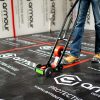
Another common mistake is the selection of incorrect protection materials; using the wrong type of protection can be as ineffective as using none at all. For example, using protection films on high-traffic areas where forklifts and other heavy machinery is needed would be pointless. Instead, higher-impact protection such as Armour Protection Board – Green HD should be used.
Choosing the correct tape is also vital. On finished surface applications, you must use tapes that offer clean removal such as Armour Tape and Armour Pro-Clean Tape. Otherwise, you are liable to residue damaging fragile surfaces.
The Consequences Of Neglecting Surface Protection
Surface protection might seem like a minor aspect of construction and renovation projects, but its impact on the timeline is anything but trivial. When surface protection is overlooked, the first and most immediate consequence is damage occurring on critical surfaces. This can range from minor scratches and dents to more severe issues, each demanding attention and repair. The time spent addressing these problems quickly adds up, resulting in significant delays. These delays disrupt your workflow, pushing back other scheduled tasks and leading to a ripple effect throughout the project timeline.
In addition to time lost in repairs, there is the financial aspect to consider. Repairing damage is not just time-consuming; it’s expensive. The costs associated with fixing or replacing damaged surfaces can quickly eat into the project budget. This is especially problematic for projects with tight financial constraints. This financial strain can also affect the relationship with clients.
Perhaps one of the most significant consequences of neglecting surface protection is the impact on client satisfaction. Clients expect projects to be completed on time and within budget, and any deviations from these expectations can lead to dissatisfaction. When clients see their newly renovated or constructed spaces have sustained damage, their confidence in the project team can be severely undermined. This results in negative reviews, a tarnished reputation, and the loss of future business opportunities.
How Temporary Surface Protection Saves Timelines

One of the most significant advantages of temporary surface protection is its ability to save valuable time on a project. When surfaces are adequately protected, the need for time-consuming repairs and touch-ups is virtually eliminated. Projects can proceed according to schedule without the interruptions caused by unforeseen damage. By maintaining a steady workflow, project managers can ensure that all tasks are completed on time, preventing the cascading delays that can occur when one aspect of the project is held up. This streamlined approach is essential for meeting tight timelines and delivering the project to clients on schedule.
Conclusion
Protecting surfaces isn’t just about avoiding damage: it’s about saving time. By investing the time in installing temporary surface protection beforehand, you save time down the road by not having to worry about repairs and replacements. With proper temporary surface protection, projects stay on schedule, workflows stay smooth, and deadlines are met without unnecessary interruptions. Simple prevention keeps you project moving.
- Phone: 1-866-617-8502
- Email: sales@axiomtsp.com
- Get a Quote: Request a Quote
- Order Free Samples: Request Samples
Latest Posts

February 19, 2026
February 5, 2026